




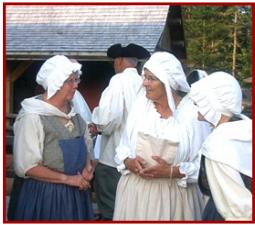


The Jean Pierre Roma National Historic Site depicts the life and times of the settlement established in 1732 by Jean Pierre Roma, a Frenchman who carved from the
virgin forest a trading post he called Trois Rivières.
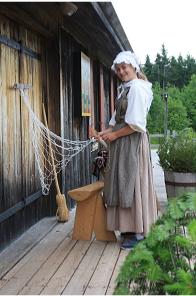
Today, through experiencing heritage programs, we share with our visitors how the people in the settlement lived from day to day, the foods they ate and the foods they
didn't eat, how cod was fished to feed Europe, the toys played with by children before they went to work at the age of 7 and the fact that Jean Pierre Roma and his indentured servants built many of PEI's first roads ... and more!
virgin forest a trading post he called Trois Rivières.
Today, through experiencing heritage programs, we share with our visitors how the people in the settlement lived from day to day, the foods they ate and the foods they
didn't eat, how cod was fished to feed Europe, the toys played with by children before they went to work at the age of 7 and the fact that Jean Pierre Roma and his indentured servants built many of PEI's first roads ... and more!
WELCOME



We accept cash or Credit Card;
Wine … ask
Beer … ask
(tax included)
Beer … ask
(tax included)

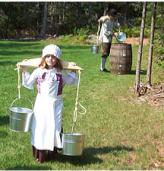
Jean Pierre Roma's Kitchen
HERITAGE LUNCH
(NOON-1:30)
DAILY
(NOON-1:30)
DAILY
THINGS TO DO at ROMA
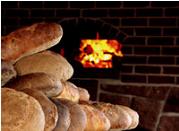
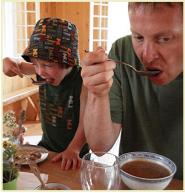
ROMA BREAD
AFTERNOON TEA
2:00 - 4:00 pm
Coffee or Tea
with our amazing
Desserts
Gingerbread with Whipped Cream
Chocolate Cake with Creamy Butter Icing
Apple Pie a la Mode
Strawberry Shortcake
(in season)
2:00 - 4:00 pm
Coffee or Tea
with our amazing
Desserts
Gingerbread with Whipped Cream
Chocolate Cake with Creamy Butter Icing
Apple Pie a la Mode
Strawberry Shortcake
(in season)
Roma Drink Menu
Lemonade
Nestea Iced Tea
Herbal Tea
Apple Juice
Coffee
Orange Pekoe Tea
Small Hot Chocolate
Beer
Wine
Lemonade
Nestea Iced Tea
Herbal Tea
Apple Juice
Coffee
Orange Pekoe Tea
Small Hot Chocolate
Beer
Wine
Take home a loaf of Roma's heritage bread
(made with the original recipe used by the settlers)
$6
(made with the original recipe used by the settlers)
$6
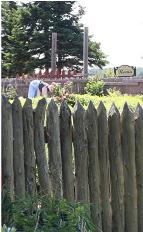
ROMA GARDEN



THINGS TO DO
o Experience Quill Pen Writing
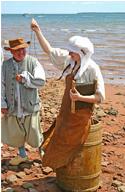
o Learn about the Cod Fishery at Roma
o Experience the art of Net Making
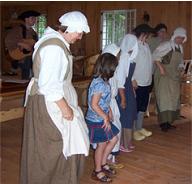
o Learn to Play the Spoons or Penny Whistle
o Enjoy Candle Making
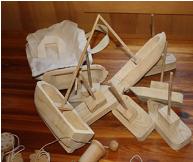
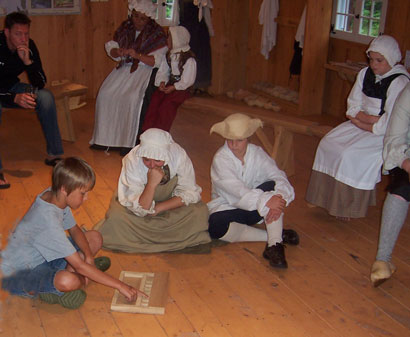
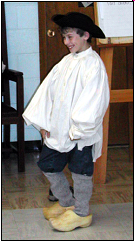
o Experience Toys & Games from the 1700s
o Enjoy a Heritage Lunch or Afternoon Tea
o Visit the Roma French-Style Heritage Garden
o Walk the Heritage Trail
Ask your server about our Gluten Free options!

Heritage Lunch
12-1:30
STARTERS
Creamy Carrot Soup ...10
Mdme Marguerite's Corn Chowder …12
Seafood Chowder …18
ENTRIES
A-Roma Acadian Meat Hand Pie …15
Fisherman's Fish Cake & Baked Beans…15
Privateer's Baked Beans & Cornbread …10
French West Indies Pulled Pork …15
The Indentured Servant Grilled Cheese Sandwich …6
BREAD
All meals include a basket of Roma Heritage Bread,
baked in our outdoor brick oven, served with molasses.
(Or make your own butter!)
DESSERTS
Gingerbread with Whipped Cream …4
Chocolate Cake with Creamy Butter Icing … 4
Apple Pie a la Mode …6
Strawberry Shortcake (in season) …6
Beverages ... 2
Herbal Tea, Coffee, Tea, Hot Chocolate, Lemonade
*Beer & Wine Available
12-1:30
STARTERS
Creamy Carrot Soup ...10
Mdme Marguerite's Corn Chowder …12
Seafood Chowder …18
ENTRIES
A-Roma Acadian Meat Hand Pie …15
Fisherman's Fish Cake & Baked Beans…15
Privateer's Baked Beans & Cornbread …10
French West Indies Pulled Pork …15
The Indentured Servant Grilled Cheese Sandwich …6
BREAD
All meals include a basket of Roma Heritage Bread,
baked in our outdoor brick oven, served with molasses.
(Or make your own butter!)
DESSERTS
Gingerbread with Whipped Cream …4
Chocolate Cake with Creamy Butter Icing … 4
Apple Pie a la Mode …6
Strawberry Shortcake (in season) …6
Beverages ... 2
Herbal Tea, Coffee, Tea, Hot Chocolate, Lemonade
*Beer & Wine Available